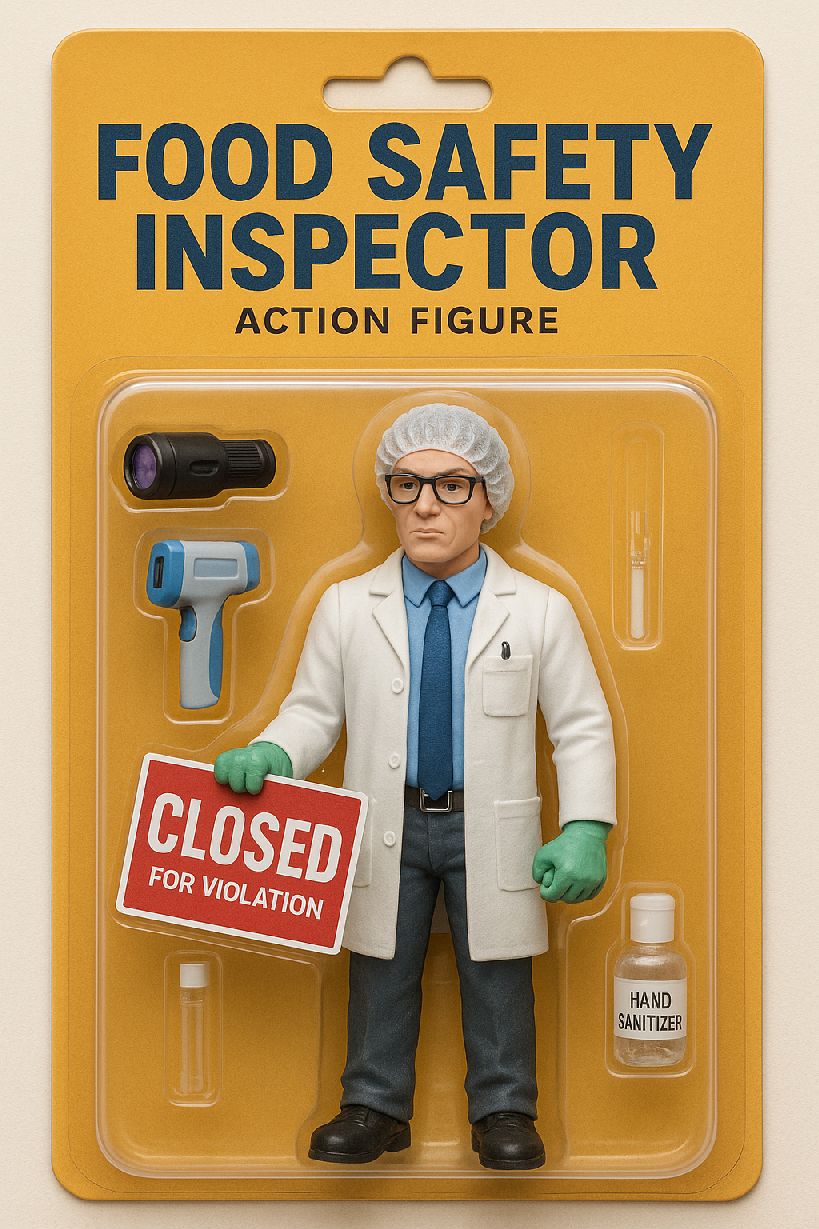
A food safety inspector in the European Union plays a crucial role in ensuring that food products are safe for consumption and comply with established hygiene standards according legal rules and based on hygiene codes.
Here's an overview of their responsibilities, qualifications, and the regulatory framework they operate within:
- Roles and Responsibilities
Food safety inspectors are tasked with:
- Conducting inspections of food manufacturing facilities, restaurants, and retail-outlets to ensure compliance with hygiene and safety regulations.
- Collecting and analysing food samples to detect potential contaminants or noncompliance with safety standards.
- Reviewing and verifying food safety management systems, such as Hazard Analysis and Critical Control Points (HACCP) plans.
- Providing guidance and training to food business operators on best practices and regulatory requirements.
- Investigating consumer complaints and foodborne illness outbreaks to identify sources and prevent recurrence.
- Documenting findings and, when necessary, enforcing corrective actions or sanctions.
- Qualifications and Skills
To become a food safety inspector, one typically needs:
- A degree in food science, microbiology, environmental health, or a related field.
- Knowledge of food safety laws and regulations, including EU directives and local legislation.
- Strong analytical skills to assess compliance and identify risks.
- Effective communication skills for reporting findings and advising stakeholders.
- Attention to detail and the ability to work independently.
- Regulatory Framework
In the European Union, food safety inspectors operate under a comprehensive regulatory framework that includes:
- European Food Safety Authority (EFSA): Provides scientific advice and communicates on existing and emerging food safety issues.
- EU Food Law: Sets out general principles and requirements of food law, establishing the European Food Safety Authority and laying down procedures in matters of food safety.
- National Agencies: Each EU member state has its own food safety authority responsible for implementing EU laws and regulations and conducting inspections.
- European Commission for proposing new and renewed legislation, enforcing EU law, managing policies, and allocating funding for common programmes
- Career Opportunities
Food safety inspectors can find employment opportunities across various sectors, including:
- Government and municipal agencies and public health departments
- Food manufacturing and processing companies
- Retail chains and supermarkets (chains)
- Private Consultancy firms specializing in food safety and quality assurance.
Positions may range from entry-level inspectors to senior roles such as Food Safety Managers, HACCP specialists or Regulatory Affairs Specialists.
If you're interested in pursuing a career as a food safety inspector in Europe, it's advisable to consult the specific requirements and job postings of the country you're targeting, as qualifications and regulations can vary between member states.